Backup and Disaster Recovery in the cloud
Backup and Disaster recovery
Why do we backup data ?
- minimize time to recover
- minimize data loss
- balance cost with liability
How looks the traditional backup ?
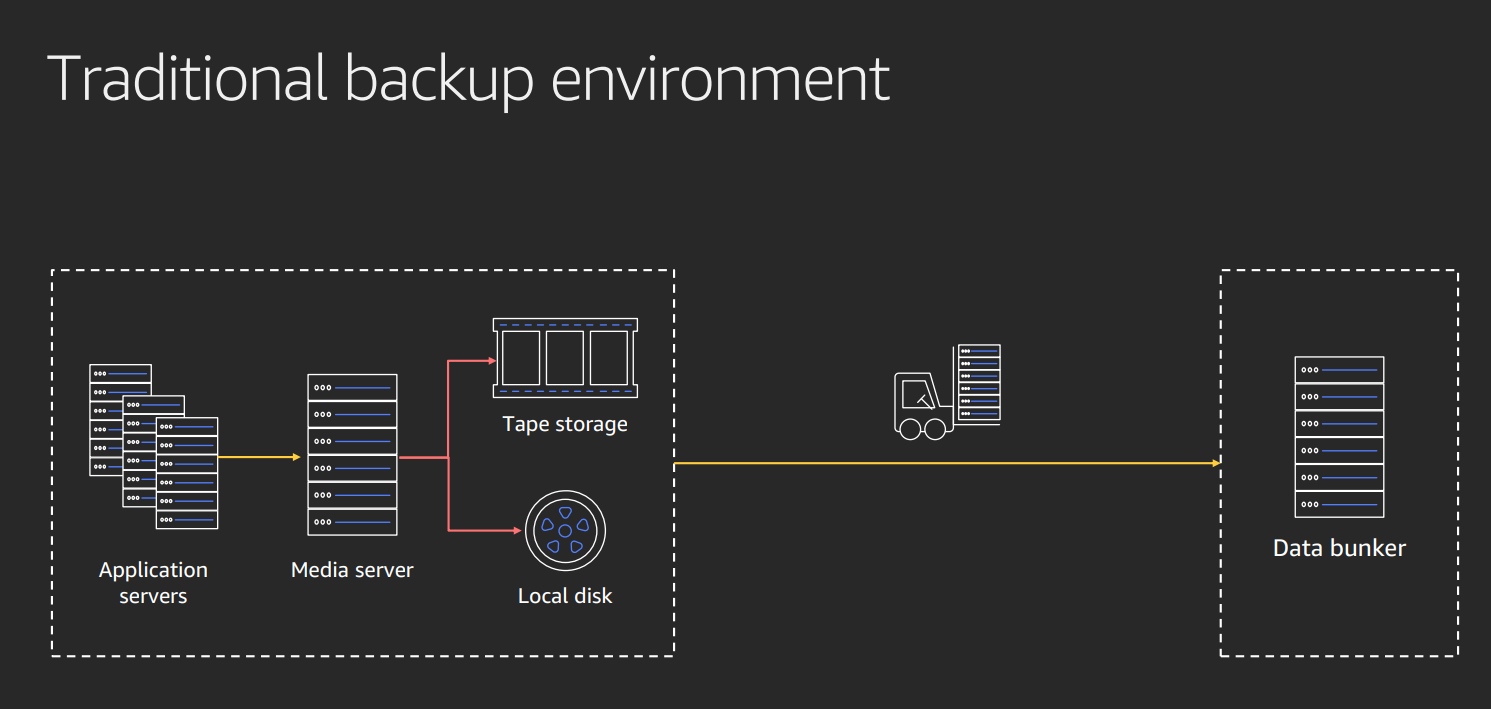
- expensive
- time consuming
- high capex
- high opex
- only big companies can afford it
- requires department, processes, very complex
The best way to modernize the backup architecture is using cloud.
- API driven
- simple , secure and durable
- variable cost
Immediate cloud backup benefits :
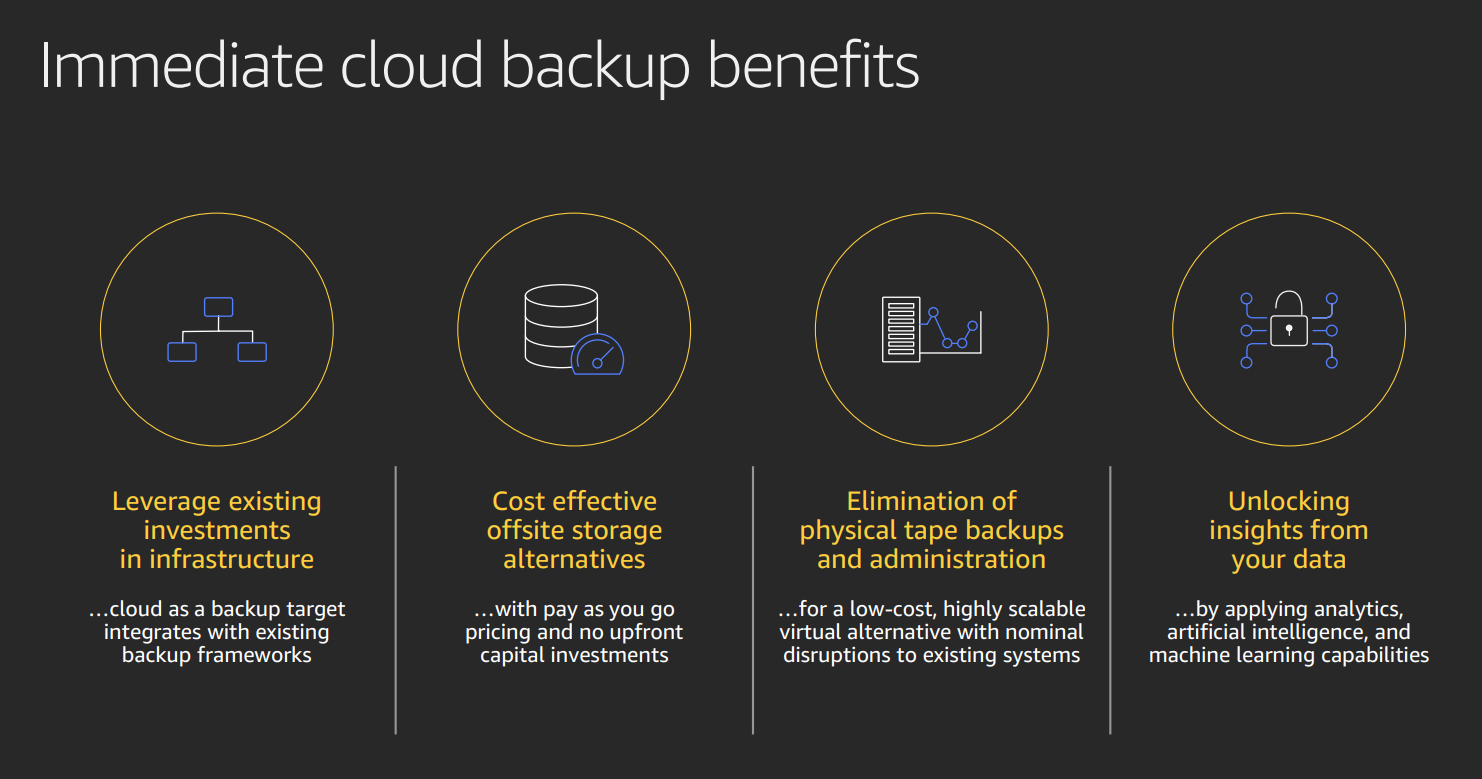
Typical cloud service is AWS S3 and AWS S3 Glacier designed for 99,999999999% durability.
Backup patterns :
File gateway
Use cases :
- back up on-premises data to the cloud
- hybrid cloud workflows
- low-latency on-premises access to cloud storage
- content distribution and collaboration
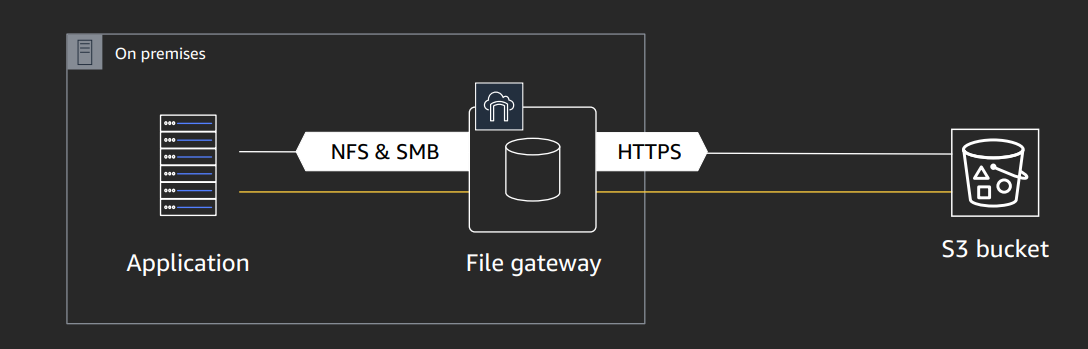
tape gateway
volume gateway
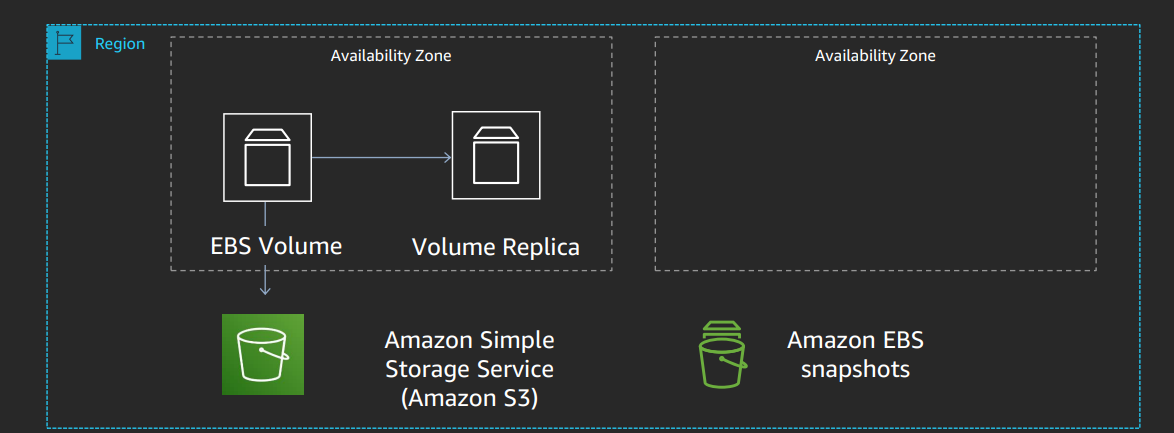
For the AWS computing :
EBS Snapshots
Amazon EFS Snapshots for databases
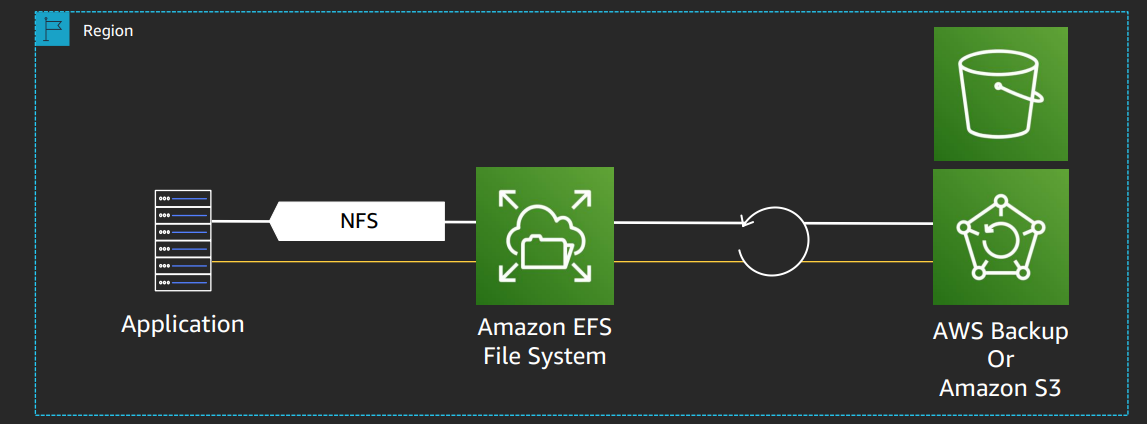
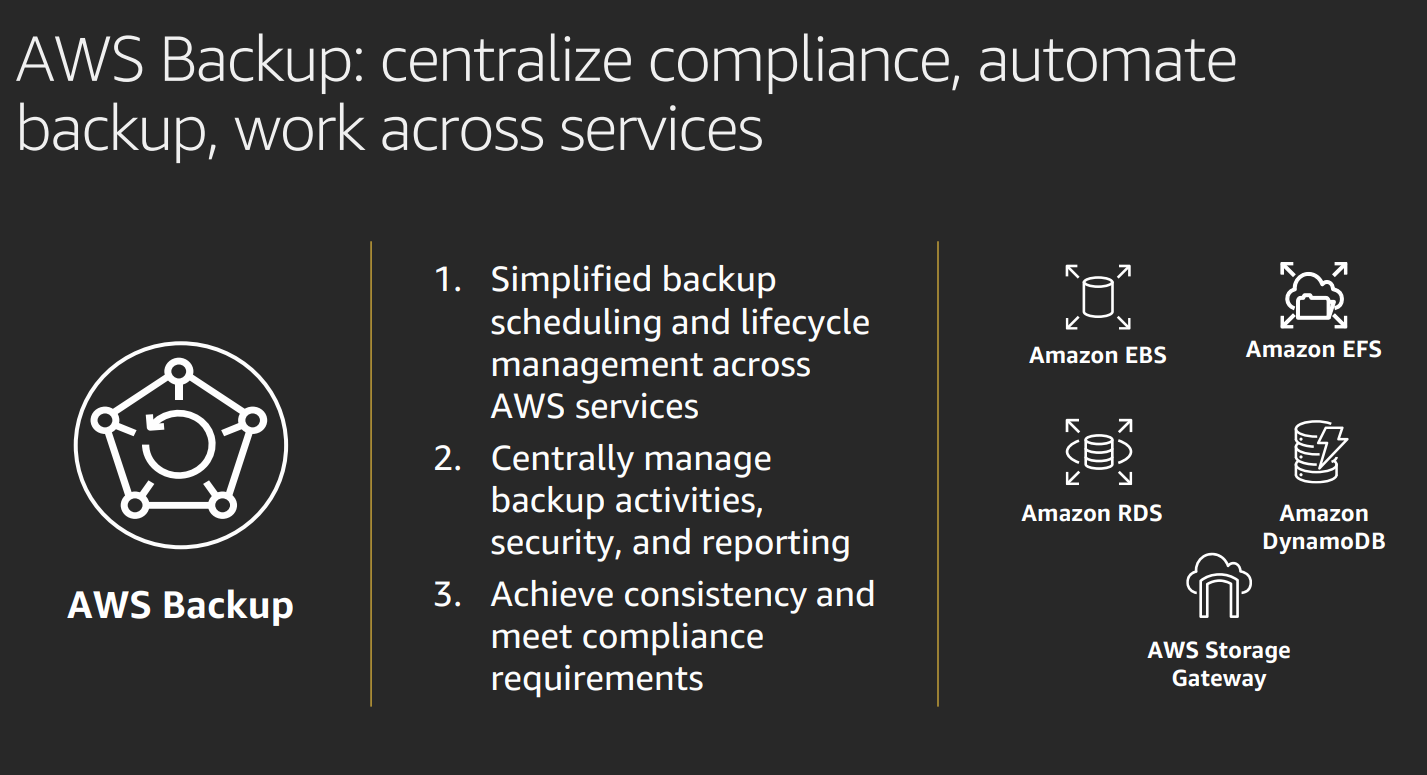
Cloud service for backup : AWS Backup : centralize compliance, automate backup, work across services.
Disaster Recovery
- natural disasters
- infrastructure availabilit and access
- rogue actors
Estimate is that only 49% organizations would be unlikely to survive if hit by a disaster.
Modernizing DR using cloud
- API driven
- Low overhead
- variable cost
Disaster in the cloud benefits :
- no upfront hardware investment needed
- only pay for rightsized compute/storage when needed
- lower it mgmt
- more automation
- easy and repeatable testing
- systems up in minutes
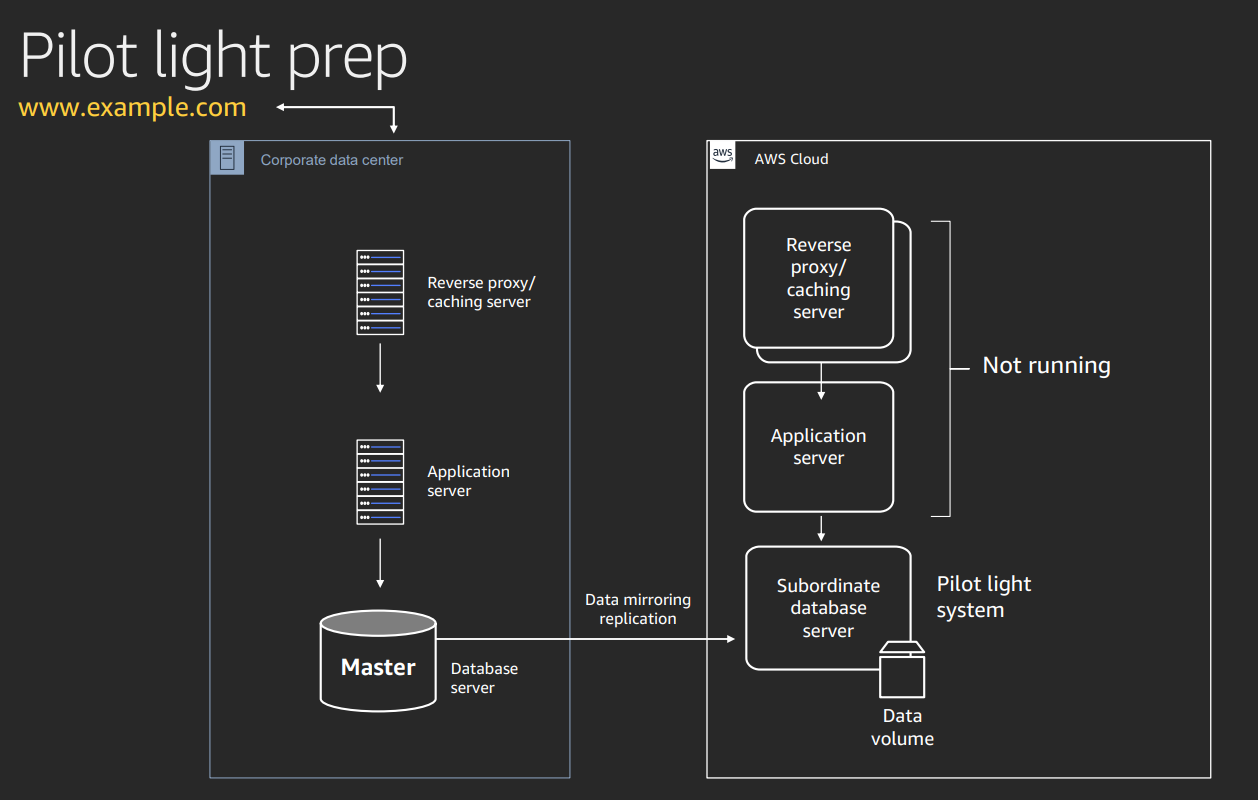
Light recovery
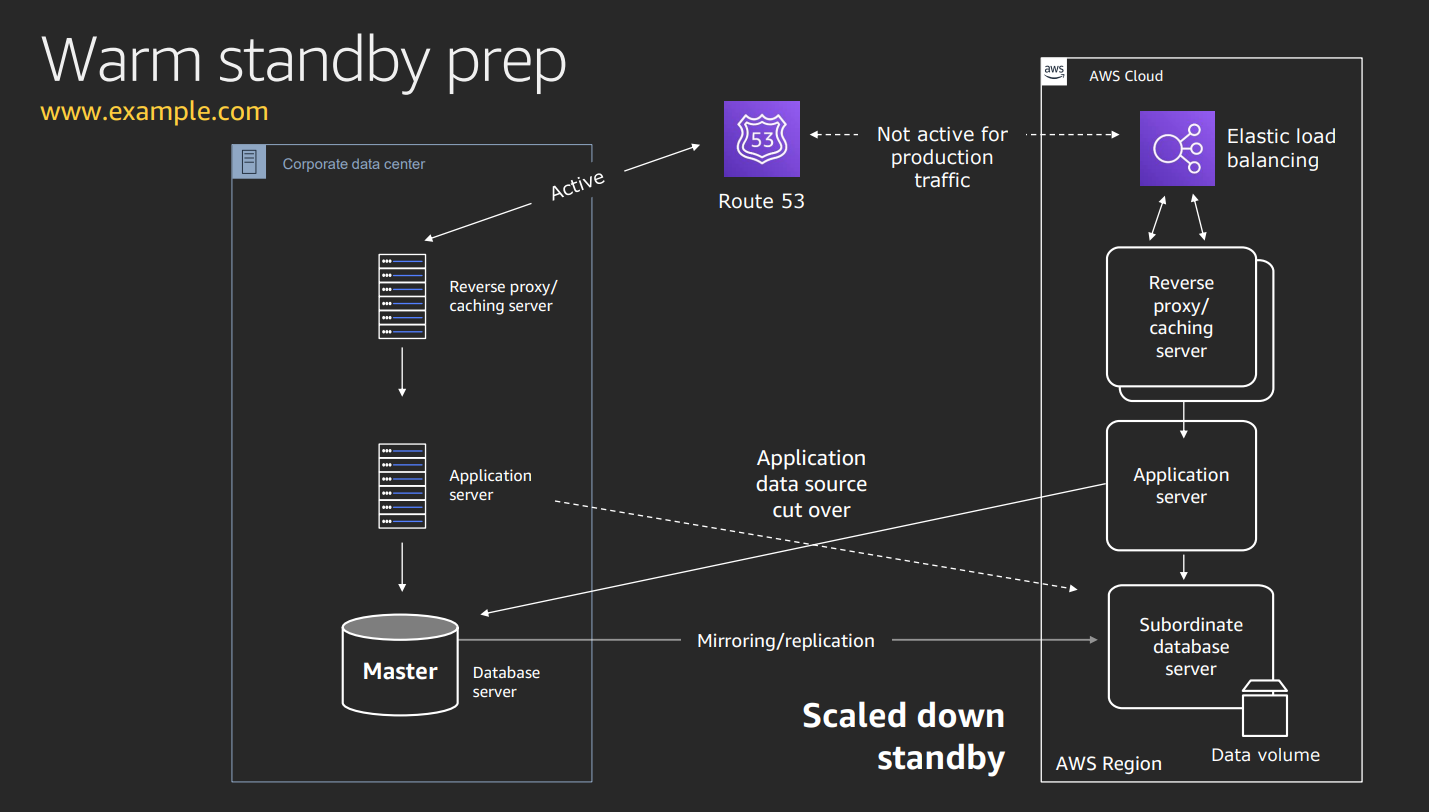
Warm stand by
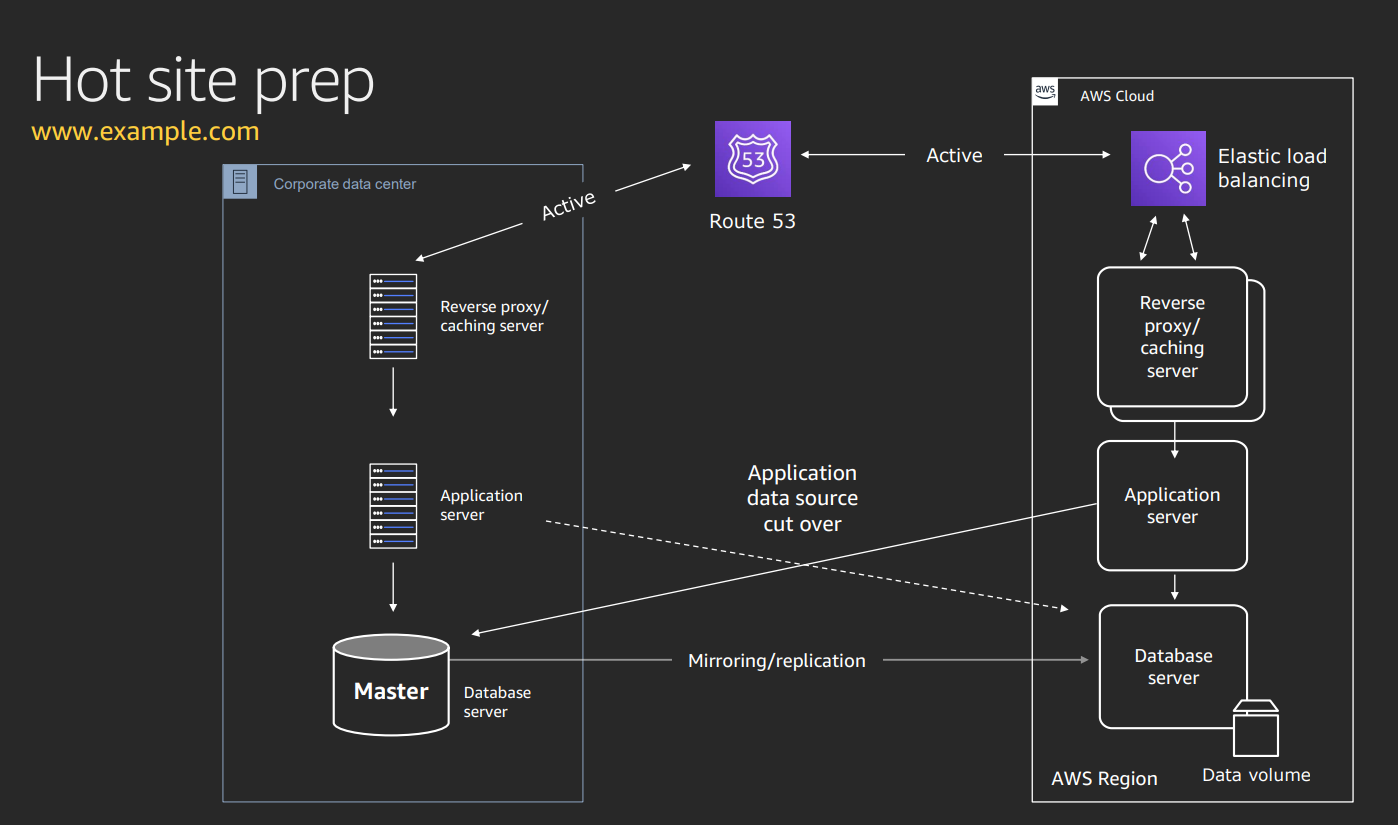
hot site recovery
Conclusion
Using the cloud for backup and disaster recovery provides benefits and lower cost and immediate use. Provides value for organization to secure their digital assets.